Kubernetes
See your Kubernetes assets without manual tracking.
InvGate Asset Management + Kubernetes
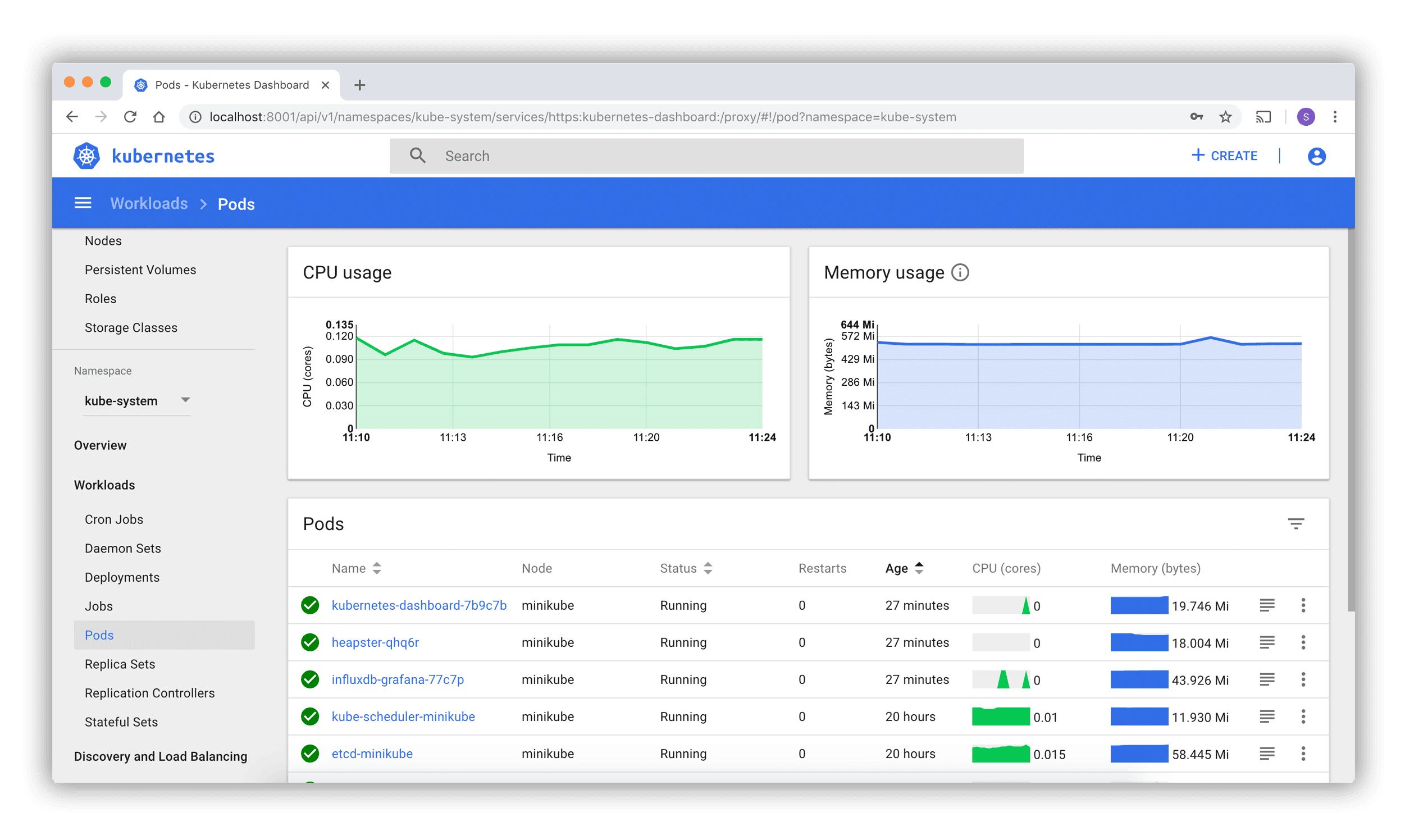
Container orchestration is critical IT infrastructure, but Kubernetes clusters often live outside your asset inventory. Teams manually create custom asset records for nodes, pods, and deployments—work that quickly becomes outdated. Without automated tracking, you lose visibility into which services are containerized, can't audit infrastructure changes, and miss security gaps in your containerized environment. This integration automatically discovers and synchronizes your Kubernetes resources into Asset Management, giving you a complete, up-to-date view of your containerized infrastructure.
Key Features
- Automatic Discovery: Detect Kubernetes components without manual entry.
- Cluster Mapping: See your complete cluster hierarchy—clusters contain nodes, nodes host pods, controllers orchestrate deployment patterns.
- Explorer Filtering: Built-in filters for Kubernetes version, namespace, node status, CPU, memory, and more enable rapid auditing and compliance checks.
- Automation Ready: Trigger automations on Kubernetes assets for lifecycle management, version tracking, and capacity planning.
- One-Way Sync: Pull Kubernetes data on a schedule you set; keep asset records synchronized without forcing constant updates.
- Multi-Version Support: Works with Kubernetes 1.30, 1.31, and 1.32 on-premise or cloud-hosted via GKE, AKS, EKS.
Why This Matters
Your containerized services are part of your IT infrastructure, but they're often invisible in your asset management tools. This integration removes friction so you get complete visibility into your containerized estate—from infrastructure optimization to compliance audits—without maintaining separate spreadsheets or manual records.
To see all the possible integrations, click here.
Check out InvGate as your ITSM and ITAM solution
30-day free trial - No credit card needed
Clear pricing
No surprises, no hidden fees — just clear, upfront pricing that fits your needs.
Easy migration
Our team ensures your transition to InvGate is fast, smooth, and hassle-free.